
Not necessarily.
This is an important distinction.
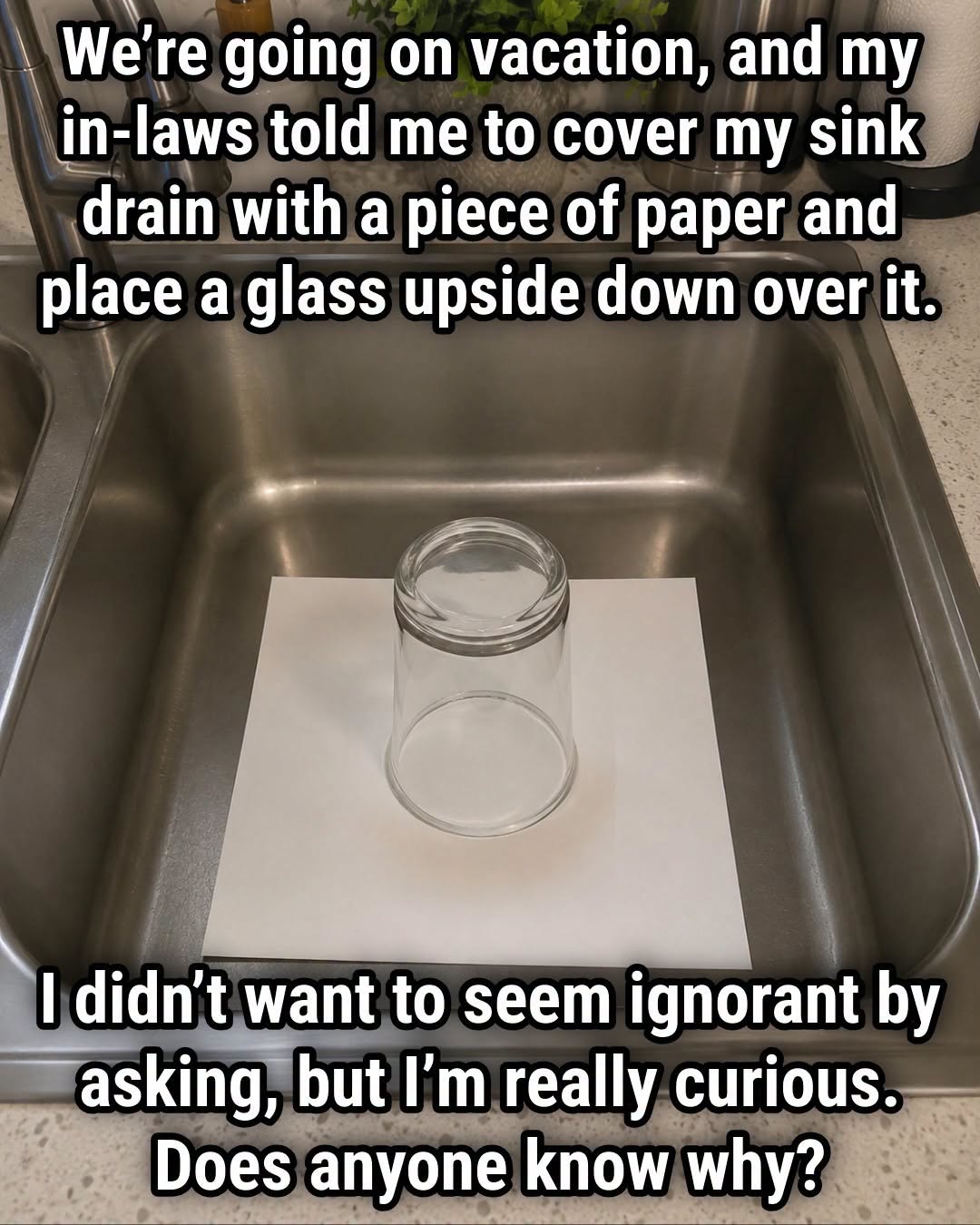
Simply placing something over the top of the sink or drain doesn’t restore a dried-out P-trap.
If the trap is already empty, covering the drain may reduce airflow but doesn’t put water back into the plumbing.
A better approach is to make sure the trap contains water before leaving.
A Simple Step Before You Leave
If you’re going away for an extended period, run water through each sink for a few seconds before you leave.
This ensures that the P-trap contains water.
You can then place a drain stopper over the opening if you want an additional barrier against odors and debris.
For sinks that aren’t used regularly, this can be particularly useful.
What About Bathroom Sinks?
Bathroom sinks can be treated in the same general way.
Run the faucet briefly before leaving, then close the drain stopper if your sink has one.
If the sink has a removable stopper, make sure it is clean and seated properly.
You don’t need to create an elaborate seal unless you have a specific plumbing problem.
Don’t Forget Other Drains
The sink isn’t the only place where a plumbing trap can lose water.
Other fixtures may also have traps, including:
- Bathtubs
- Showers
- Floor drains
- Utility sinks
- Laundry drains
If you’re leaving a property vacant for an extended period, it’s worth considering all rarely used drains rather than focusing only on the kitchen sink.
What About the Toilet?
Toilets have their own water-filled trap, so you generally don’t need to cover the bowl simply because you’re going away for a short vacation.
However, if a home will be vacant for a very long time, plumbing maintenance becomes more important, particularly in climates where evaporation or freezing could be concerns.
For an extended absence, follow the recommendations appropriate for your plumbing system and local climate.
Can a Covered Sink Prevent Pests?
This is another reason people sometimes recommend covering drains.
In certain circumstances, keeping drains closed can help limit access through plumbing openings.
However, a sink cover isn’t a reliable pest-control method.
If you’re dealing with recurring insects or rodents coming through plumbing fixtures, the underlying issue should be investigated rather than relying on a drain cover.
What About Sewer Odors?
If you’ve ever returned from a trip to a home that smells strangely musty or unpleasant, a dry plumbing trap could be one possible explanation.
A dry trap can allow odors from the drainage system to enter through the drain.
If you notice a sewer-like smell after returning from a long trip, running water through the affected fixture may restore the trap’s water seal.
If the odor persists, however, there could be another plumbing problem that requires investigation.
Should You Use Plastic Wrap Over the Drain?
Some homeowners use plastic wrap or another temporary covering over drains when leaving for an extended period.
There’s nothing inherently complicated about this approach, but it’s generally unnecessary for a normal vacation if the trap is full and the drain has a functioning stopper.
If you do cover a drain, make sure the covering is secure without creating a hazard or interfering with the fixture.
The goal is simply to reduce unnecessary exposure—not to create an airtight plumbing system.
A Better Vacation Plumbing Checklist
If you’re leaving home for more than a few days, a few basic precautions can provide peace of mind.
Before You Leave:
- Run water through rarely used sinks.
- Check that drains and stoppers are functioning properly.
- Make sure faucets aren’t dripping.
- Check under sinks for leaks.
- Don’t leave standing water where it can cause problems.
- Consider your home’s heating or cooling needs.
- If you’ll be gone for an extended period, consider shutting off the main water supply if appropriate for your home and plumbing system.
If you turn off the main water supply, remember that this is a bigger step than simply covering a drain and may not be appropriate for every property or plumbing setup.