

The Safest Place to Put It
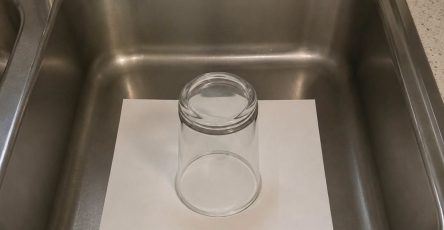
If you’re experimenting with a container of salt, stability matters more than location.
Don’t put an open glass on the dashboard where it could slide or spill.
Don’t place it near the pedals.
Don’t put it somewhere that could interfere with airbags.
And never leave a container positioned in a way that could become a projectile during sudden braking.
If you’re going to drive, I’d remove the container and store it somewhere appropriate.
Frequently Asked Questions
Does putting salt in a car stop condensation?
Not reliably. Salt can absorb some moisture under humid conditions, but a small glass of table salt has limited capacity. Persistent condensation should be addressed by drying the interior and identifying the source of excess moisture.
How much salt should I put in a car?
There’s no scientifically established “one glass” amount that will dehumidify a car effectively. A cup or so can be used for a simple DIY experiment, but don’t expect it to replace a commercial moisture absorber.
Can I use table salt?
Yes. Ordinary table salt can absorb moisture under the right conditions, although its effectiveness as a car dehumidifier is limited.
Should I leave salt in my car while driving?
I wouldn’t recommend leaving an unsecured open container in the vehicle while driving. It could tip over and spill, potentially creating a distraction or mess.
Can salt prevent foggy windows?
It may help slightly if it absorbs some ambient moisture, but it isn’t a dependable way to prevent window fogging. Your vehicle’s climate-control and defrost systems are much more effective.
Why does my car keep getting wet inside?
Possible causes include wet floor mats, spills, wet clothing, blocked drains, damaged door seals, windshield leaks, sunroof drainage problems, or other water leaks. Persistent dampness deserves investigation.
Can salt remove mildew from a car?
No. Salt isn’t a treatment for mold or mildew. If your vehicle has mold or persistent mildew, the moisture source needs to be addressed and the affected areas properly cleaned.
The Bottom Line
So, should you put a glass of salt in your car?
You can try it as a simple, inexpensive moisture-absorbing experiment—but don’t expect miracles.
Salt really can attract moisture, which explains where this popular hack comes from. But the amount of moisture a small container of ordinary salt can handle is limited.
If your car is only slightly humid, it may be an interesting little trick to test.
But if you’re dealing with persistent foggy windows, wet carpets, or a musty smell, don’t keep adding salt and hoping for the best.
Find the moisture.
Dry the interior.
Check for leaks.
And use your vehicle’s ventilation and defrost systems properly.
Sometimes the simplest hacks are worth trying—but the best car-care tricks are the ones that help you understand why the problem is happening in the first place.
And that, more than the glass of salt, is the real hack every driver should know.